Children learn in environments full of competing sights and sounds. Our work looks at how attention helps them stay focused on what’s important and supports learning in real-world settings.
When do distractions help kids learn?
Ages: Elementary school children
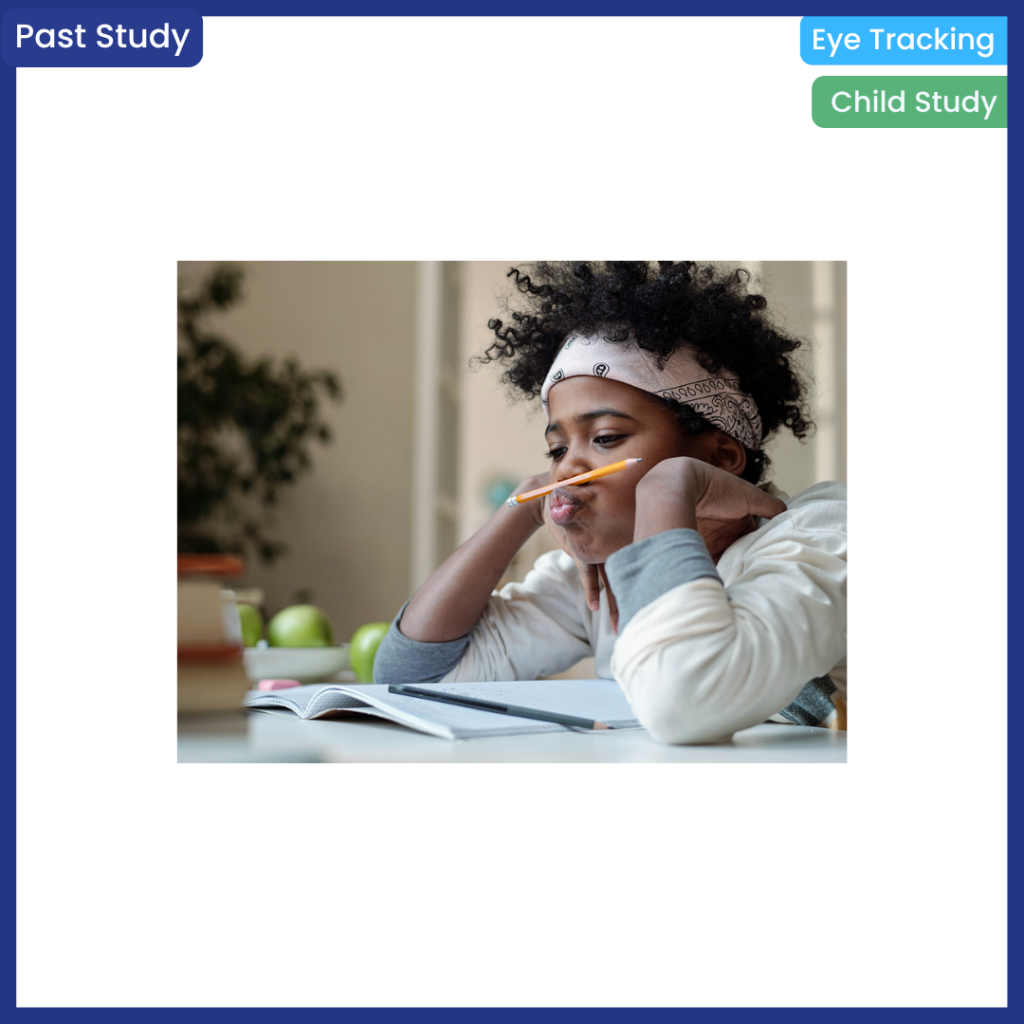
Sometimes extra information helps learning, and sometimes it gets in the way. This work shows that it depends on how well children can control their attention and what the extra information is about. When kids focus on details that relate to the goal, learning can actually improve. However, unrelated distractions make learning harder. The takeaway: good learning environments aren’t just quiet — they help children notice important information.
Sometimes extra information helps learning, and sometimes it gets in the way. This work shows that it depends on how well children can control their attention and what the extra information is about. When kids focus on details that relate to the goal, learning can actually improve. However, unrelated distractions make learning harder. The takeaway: good learning environments aren’t just quiet — they help children notice important information.
Do kids learn from information they weren’t told to look at?
Ages: 4-8 years old
Children often notice more than the target they’re searching for. In this study, kids remembered objects better when they appeared around the target — but only if they naturally kept exploring after finding it. Children with stronger attention skills gathered more useful information from the scene. Learning here wasn’t accidental — it depended on how they chose to look around.
Do kids learn from information they weren’t told to look at?
Ages: 4-8 years old
Children often notice more than the target they’re searching for. In this study, kids remembered objects better when they appeared around the target — but only if they naturally kept exploring after finding it. Children with stronger attention skills gathered more useful information from the scene. Learning here wasn’t accidental — it depended on how they chose to look around.
Not all distraction is bad. When extra items are meaningful, children remember more later on. When extra information is irrelevant, memory suffered. This study shows that the brain doesn’t simply block distractions… it evaluates them. Whether kids learn depends on how attention filters what’s worth keeping.
Not all distraction is bad. When extra items are meaningful, children remember more later on. When extra information is irrelevant, memory suffered. This study shows that the brain doesn’t simply block distractions… it evaluates them. Whether kids learn depends on how attention filters what’s worth keeping.
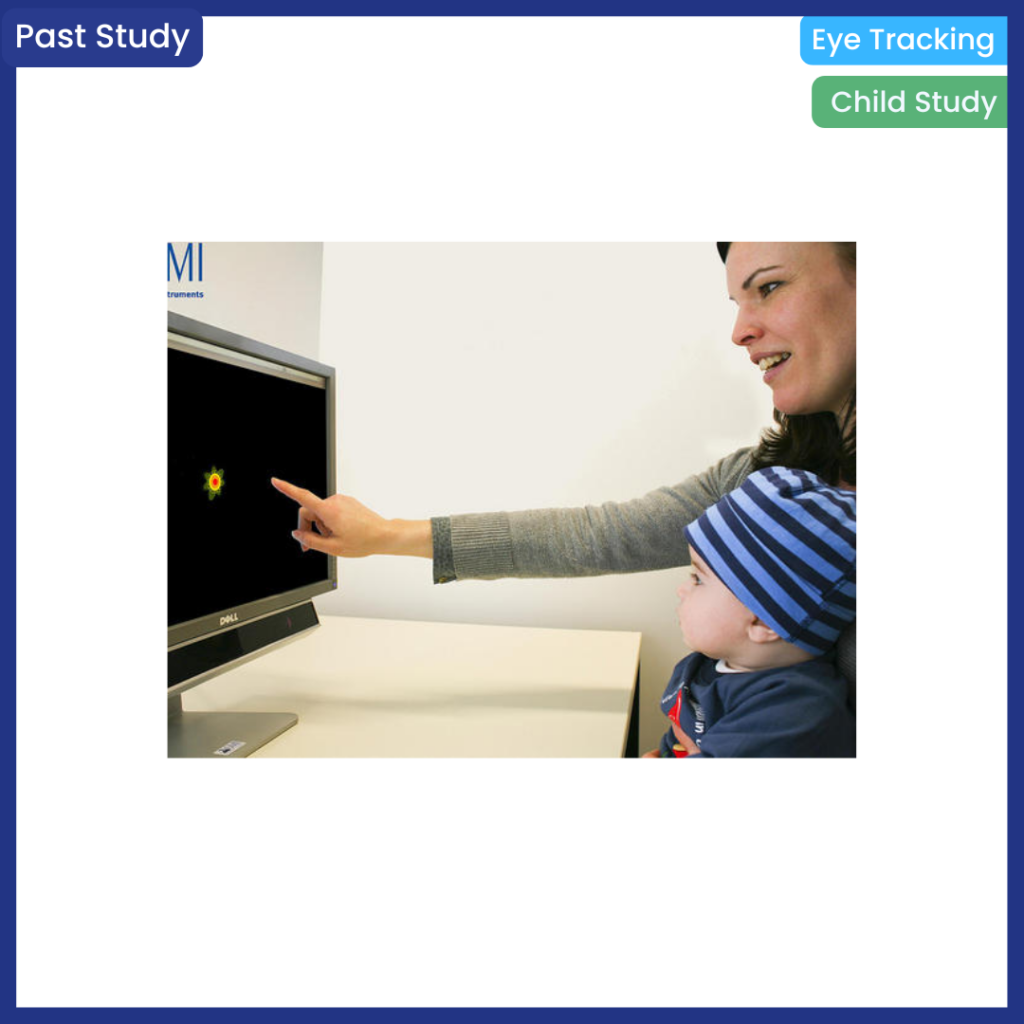
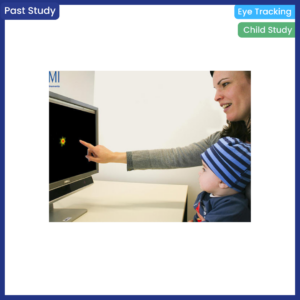
In this study, children view four short science lessons on a computer screen while images related to science also appear on the screen. Some of the surrounding images will be especially bright and colorful to capture children’s attention. Children will answer multiple choice questions about the lessons via the computer before and after the lessons to assess learning of the lesson material. We will use a non-invasive eye tracker to record where your child looks as they view lessons and answers questions.
In this study, children view four short science lessons on a computer screen while images related to science also appear on the screen. Some of the surrounding images will be especially bright and colorful to capture children’s attention. Children will answer multiple choice questions about the lessons via the computer before and after the lessons to assess learning of the lesson material. We will use a non-invasive eye tracker to record where your child looks as they view lessons and answers questions.
In this study, 3-5 year-old children viewed four short science lessons on a computer screen while images related to science also appeared on the screen. We used an eye tracker to record children’s looking as they viewed the lessons and children answered questions before and after the lessons to assess their learning of lesson content.
In this study, 3-5 year-old children viewed four short science lessons on a computer screen while images related to science also appeared on the screen. We used an eye tracker to record children’s looking as they viewed the lessons and children answered questions before and after the lessons to assess their learning of lesson content.
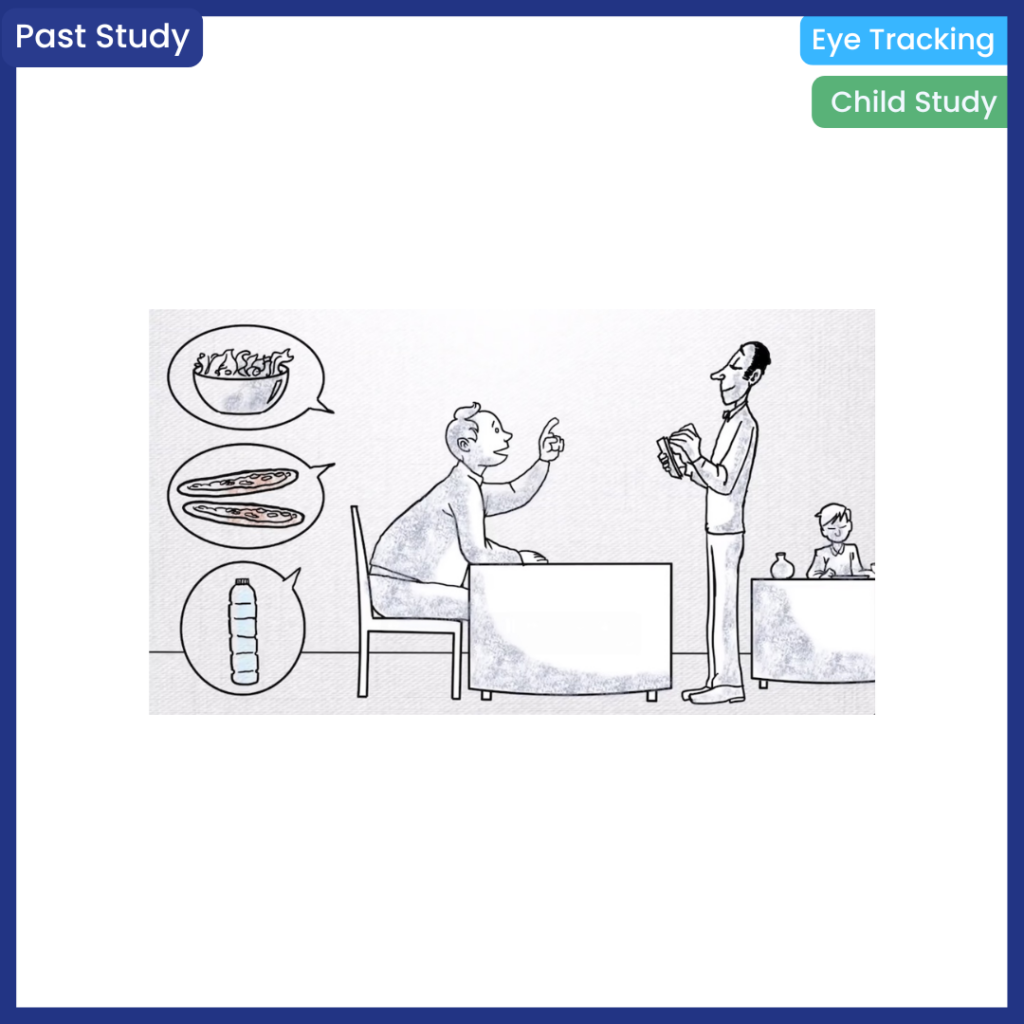
In this study, we examined how children’s attention skills support learning from relevant information in the environment. We asked 7-8 year-old children to play three computer games in which they were asked to search for and remember food images that appeared on a computer screen. We then used an eye tracker to record children’s looking as they viewed the images.
In this study, we examined how children’s attention skills support learning from relevant information in the environment. We asked 7-8 year-old children to play three computer games in which they were asked to search for and remember food images that appeared on a computer screen. We then used an eye tracker to record children’s looking as they viewed the images.
Real environments are visually crowded. Using eye-tracking, this study followed how children look around complex scenes. Younger children’s attention is pulled automatically by noticeable features, while older children become better at directing their gaze intentionally. Over time, attention shifts from reflexive looking to purposeful exploration — a key step toward independent learning.
Real environments are visually crowded. Using eye-tracking, this study followed how children look around complex scenes. Younger children’s attention is pulled automatically by noticeable features, while older children become better at directing their gaze intentionally. Over time, attention shifts from reflexive looking to purposeful exploration — a key step toward independent learning.